Nebraska Blog

Sample Page

Author: admin

  • Understanding Modern Financial Trends

    Understanding Modern Financial Trends

    The financial world is constantly changing due to new technologies, economic developments, and changing consumer behaviors. Understanding modern financial trends helps individuals and businesses make better decisions, adapt to changes, and take advantage of new opportunities. Today, financial success is not only about earning and saving money; it also involves understanding digital tools, changing investment methods, and evolving money management practices. As the world becomes more connected, staying informed about financial trends has become an important skill. People who understand these changes are better prepared to manage their finances and build a stronger financial future.

    The Rise of Digital Financial Services

    One of the biggest changes in modern finance is the growth of digital financial services. Technology has transformed the way people manage money, make payments, and access financial information.

    Online banking, digital payment systems, and financial applications have made financial activities faster and more convenient. People can now monitor expenses, transfer money, and manage accounts from anywhere.

    The growth of digital finance has improved accessibility and created new opportunities for individuals to take greater control of their financial lives.

    The Importance of Financial Technology

    Financial technology, often known as fintech, has become a major trend in the modern financial world. Fintech solutions provide innovative ways to handle financial tasks more efficiently.

    From budgeting tools to digital investment platforms, technology helps individuals make better financial decisions. These tools allow users to track spending, analyze financial habits, and create better plans.

    As financial technology continues to grow, understanding how to use these tools effectively becomes increasingly important.

    Changing Investment Approaches

    Investment trends have also changed significantly in recent years. More people are exploring different ways to grow their money and build long-term wealth.

    Modern investors have access to more information, online platforms, and educational resources than ever before. This has made investing more accessible to individuals who want to learn and participate.

    However, successful investing still requires knowledge, research, and careful decision-making. Understanding risks and opportunities remains essential for financial growth.

    The Growth of Digital Payments

    Digital payments have become an important part of modern financial systems. Many people now prefer electronic transactions because they are convenient, quick, and easy to manage.

    Businesses and consumers are increasingly using digital payment methods for everyday purchases. This trend has changed the way people interact with money and improved the speed of financial transactions.

    Understanding digital payment systems helps individuals adapt to modern financial environments.

    The Focus on Financial Education

    Financial education has become more important as financial choices become more complex. People need knowledge about budgeting, saving, investing, and managing financial risks.

    Modern financial trends encourage individuals to continue learning and improving their money skills. Financial education helps people make informed decisions and avoid common mistakes.

    A strong understanding of financial concepts creates confidence and supports better financial planning.

    The Growing Importance of Personal Financial Planning

    Personal financial planning is becoming a major focus for individuals who want greater financial security. Instead of only focusing on short-term spending, people are paying more attention to long-term goals.

    Planning includes managing expenses, building savings, preparing for emergencies, and creating strategies for future needs.

    A clear financial plan helps individuals stay organized and make decisions that support their goals.

    The Impact of Changing Consumer Behavior

    Consumer behavior has changed as people become more aware of financial choices. Many individuals now focus on value, responsible spending, and financial flexibility.

    People are becoming more interested in understanding where their money goes and how their choices affect their financial future. This awareness encourages smarter spending habits.

    Changing consumer behavior continues to influence how businesses and financial systems operate.

    The Role of Automation in Finance

    Automation has become another important financial trend. Many financial tasks can now be completed automatically, such as bill payments, savings transfers, and expense tracking.

    Automation helps individuals maintain consistency and reduces the chance of forgetting important financial responsibilities.

    By using automated tools wisely, people can create better financial habits and improve money management.

    The Need for Financial Security

    Modern financial trends also highlight the importance of financial security. Economic changes and unexpected situations have encouraged people to focus more on emergency planning and stable financial habits.

    Building savings, managing risks, and preparing for future challenges are becoming essential parts of financial planning.

    Financial security provides confidence and allows individuals to handle uncertainty more effectively.

    Adapting to Future Financial Changes

    The financial world will continue to evolve as technology and economic conditions change. Staying informed allows individuals to adapt and make better choices.

    Learning about new financial tools, understanding market changes, and improving money skills help people remain prepared for the future.

    Adaptability is becoming one of the most valuable financial skills in the modern world.

    Conclusion

    Understanding modern financial trends is essential for managing money effectively in today’s changing world. Digital finance, financial technology, investment changes, and increased financial awareness are transforming how people approach money management. By staying informed and developing strong financial habits, individuals can take advantage of new opportunities and prepare for future challenges. Financial success depends not only on income but also on knowledge, adaptability, and smart decision-making. As financial trends continue to evolve, learning and improving financial skills will remain important for creating long-term stability and success.


  • How Digital Knowledge Creates Opportunities

    How Digital Knowledge Creates Opportunities

    The digital world has changed the way people learn, work, communicate, and build their futures. Today, information is available at our fingertips, and technology has created opportunities that were once difficult to imagine. From online education and remote work to digital businesses and global communication, digital knowledge has become an important resource for personal and professional growth.

    Digital knowledge is not simply about knowing how to use a computer or smartphone. It includes understanding how digital tools work, finding reliable information, communicating online,protecting personal data, and using technology effectively. As technology continues to influence everyday life, people with strong digital skills can discover new opportunities and adapt more easily to a changing world.

    Access to Global Learning

    One of the greatest benefits of digital knowledge is access to education. People can now learn about almost any subject through online courses, educational platforms, digital libraries, videos, and interactive resources.

    Someone living in a small town can learn skills from experts around the world without needing to travel long distances. A student can explore subjects beyond the traditional classroom, while a professional can develop new abilities to advance their career.

    This access to information gives people greater control over their learning journey. Instead of depending only on traditional education, individuals can continue developing their knowledge throughout their lives.

    New Career Opportunities

    Digital knowledge has created many career paths that did not exist in the same form in the past. Fields such as software development, digital marketing, content creation, data analysis, and user experience design have grown alongside technology.

    Even traditional careers increasingly require digital skills. Teachers use online platforms, businesses rely on digital communication, and many professionals manage information through specialized software.

    People who develop relevant digital abilities may find more options when searching for employment or planning their careers.

    Remote Work Expands Possibilities

    Digital technology has made it possible for many people to work with organizations and clients from different locations.

    Remote work allows professionals to collaborate through video meetings, messaging platforms, cloud-based tools, and online project systems.

    This can create opportunities for individuals who may not live near major business centers.

    A skilled professional can potentially work with an international team without relocating. At the same time, businesses can access talent from a wider range of locations.

    Digital knowledge is essential for making this type of work successful because employees need to communicate, organize tasks, and manage information online.

    Digital Entrepreneurship

    Technology has also made entrepreneurship more accessible.

    People can use websites, social media, online marketplaces, and digital payment systems to start and promote businesses.

    A small business owner can reach customers beyond their local community. An individual with a useful skill can offer services online, while a creative person can build an audience around their work.

    Starting a digital business still requires planning and effort, but technology can reduce some traditional barriers to entering the marketplace.

    Better Access to Information

    Digital knowledge helps people find and evaluate information more effectively.

    The internet contains an enormous amount of useful content, but not everything online is accurate or trustworthy. Knowing how to check sources, compare information, and recognize misleading claims is therefore an important skill.

    Digital literacy allows individuals to become more informed decision-makers.

    Whether researching a career, learning about a new topic, or comparing products and services, people can benefit from knowing how to identify reliable information.

    Global Communication

    Digital tools have made communication faster and easier. People can connect with individuals from different countries through messaging apps, social platforms, video calls, and online communities.

    This creates opportunities for collaboration and cultural exchange.

    Students can work on international projects, professionals can build global networks, and entrepreneurs can communicate with customers from different regions.

    Learning how to communicate effectively in digital environments can help people build valuable relationships.

    Creativity and Innovation

    Digital knowledge also supports creativity. Modern tools allow people to design graphics, edit videos, create websites, develop applications, and produce digital content.

    Many of these tools are easier to access than they were in the past.

    Someone with a creative idea can experiment with digital platforms and share their work with a large audience.

    Technology does not replace creativity. Instead, it gives creative people more ways to express their ideas and turn them into practical projects.

    Financial Opportunities

    Digital skills can also support better financial awareness. Online banking, budgeting applications, and digital financial tools make it easier for people to manage everyday money matters.

    Understanding how these systems work can help individuals make more informed choices.

    However, digital financial knowledge also requires caution. People should understand privacy risks, protect their accounts, and verify information before making important decisions online.

    Responsible digital habits are just as important as technical skills.

    Preparing for the Future

    Technology will continue to evolve, and new opportunities will likely emerge. Skills that are valuable today may change as new tools and systems become common.

    This is why continuous learning is so important.

    People who remain curious and willing to update their digital knowledge may find it easier to adapt to future changes.

    The goal is not to master every new technology. Instead, it is to develop the confidence to learn and understand new tools when necessary.

    Conclusion

    Digital knowledge creates opportunities by connecting people with education, careers, businesses, information, and global communities. It allows individuals to learn new skills, work with people across distances, explore creative ideas, and build new professional paths.

    However, the true value of digital knowledge goes beyond knowing how to operate technology. It involves thinking critically, communicating responsibly, protecting personal information, and using digital tools with purpose.

    In a world where technology continues to shape everyday life, digital skills can open doors that may once have seemed out of reach. People who embrace continuous learning and develop their digital abilities can become better prepared to recognize and pursue new opportunities.

    Ultimately, technology is a tool, and its impact depends on how people use it. With knowledge, curiosity, and responsible digital habits, individuals can turn technology into a powerful resource for learning, growth, and a more opportunity-filled future.

  • The Importance of Environmental Education

    The Importance of Environmental Education

    Environmental education is more important today than ever before. As Trang chủ X88 the world faces climate change, pollution, biodiversity loss, deforestation, and increasing pressure on natural resources, people need the knowledge and skills to make responsible decisions. Environmental education helps individuals understand how the natural world works, how human actions affect the environment, and what can be done to protect the planet for future generations.

    From schools and universities to workplaces and communities, environmental education plays a vital role in creating a more sustainable society. It empowers people to become informed citizens, responsible consumers, and active participants in environmental protection.

    What Is Environmental Education?

    Environmental education is the process of learning about the environment, ecosystems, natural resources, and the relationship between humans and nature. It teaches people to recognize environmental problems, understand their causes, and find practical solutions.

    This type of education is not limited to science classrooms. It can be included in geography, social studies, economics, agriculture, health, and even business education. Environmental education can also take place outside the classroom through nature walks, recycling programs, community cleanups, conservation projects, and environmental awareness campaigns.

    The main goal of environmental education is to develop environmental awareness, critical thinking, and responsible behavior. It encourages people to care for the environment and take meaningful action.

    Why Environmental Education Matters

    Environmental education matters because many of today’s global challenges are connected to the environment. Climate change, air and water pollution, plastic waste, soil degradation, and wildlife extinction affect human health, food security, economies, and quality of life.

    When people understand these issues, they are more likely to make better choices. For example, someone who understands the impact of plastic pollution may reduce single-use plastics. A student who learns about energy conservation may encourage their family to save electricity. A community that understands water scarcity may take steps to protect local water sources.

    Environmental Education and Climate Change

    One of the most important reasons for promoting environmental education is the growing threat of climate change. Rising global temperatures, extreme weather events, melting ice caps, sea-level rise, and changing rainfall patterns are already affecting millions of people around the world.

    Environmental education helps people understand the science behind climate change and the role human activities play in increasing greenhouse gas emissions. It also teaches practical ways to reduce carbon footprints, such as using renewable energy, saving electricity, choosing public transport, planting trees, and reducing waste.

    By learning about climate change, individuals and communities can become better prepared and more resilient. They can also support policies and practices that help reduce environmental harm.

    Building Sustainable Habits

    Environmental education Đá gà X88 encourages sustainable habits in everyday life. Sustainability means meeting present needs without harming the ability of future generations to meet their own needs. This idea is essential for protecting natural resources such as water, forests, soil, and clean air.

    Simple sustainable habits can make a big difference when practiced by many people. These habits include recycling, composting, reducing food waste, conserving water, using energy-efficient appliances, avoiding unnecessary consumption, and supporting eco-friendly products.

    When children learn these habits early, they are more likely to carry them into adulthood. Schools that teach environmental responsibility help build a generation that values sustainability and respects nature.

    Protecting Biodiversity and Ecosystems

    Biodiversity refers to the variety of life on Earth, including plants, animals, insects, microorganisms, and ecosystems. Healthy ecosystems provide essential services such as clean air, fresh water, pollination, fertile soil, and climate regulation.

    However, human activities such as deforestation, pollution, overfishing, and habitat destruction are threatening biodiversity. Environmental education helps people understand why biodiversity is important and how human survival depends on healthy ecosystems.

    By learning about local plants, animals, and habitats, people become more connected to nature. This connection can inspire conservation efforts, wildlife protection, tree planting, and responsible land use.

    Improving Public Health

    Environmental education also supports public health. Many health problems are linked to environmental conditions. Air pollution can cause respiratory diseases, contaminated water can spread illness, and exposure to harmful chemicals can affect long-term health.

    When communities understand the connection between environment and health, they can take steps to reduce risks. For example, people may support clean water initiatives, reduce burning of waste, improve sanitation, and advocate for cleaner air.

    A healthier environment leads to healthier people. This is why environmental education is important not only for nature but also for human well-being.

    Encouraging Responsible Citizenship

    Environmental education helps create responsible citizens who understand their role in society. It teaches people that environmental protection is not only the responsibility of governments or organizations. Every individual has a part to play.

    Responsible citizens can participate in local environmental projects, vote for sustainable policies, support conservation programs, and hold businesses and leaders accountable. They can also educate others and inspire positive change in their communities.

    In this way, environmental education strengthens democracy and civic responsibility. It gives people the confidence to speak up and act for the common good.

    The Role of Schools in Environmental Education

    Schools are one of the best places to promote environmental education. Students are naturally curious, and they can develop strong values when they are exposed to environmental learning at a young age.

    Schools can include environmental topics in lessons, organize eco-clubs, create school gardens, reduce waste, promote recycling, and encourage outdoor learning. These activities help students connect classroom knowledge with real-world experiences.

    Teachers play an important role by making environmental education practical, engaging, and relevant. When students see how environmental issues affect their own lives and communities, they are more likely to care and take action.

    Environmental Education in Communities

    Environmental education should not stop at school. Communities also need access to environmental knowledge and resources. Local workshops, awareness campaigns, public lectures, farmer training programs, and social media campaigns can help spread important information.

    Community-based environmental education is especially effective because it focuses on local problems and solutions. For example, a coastal community may learn about marine pollution, while a farming community may focus on soil conservation and water management.

    When communities work together, they can create lasting environmental improvements.

    Conclusion

    The importance of environmental education cannot be overstated. It helps people understand environmental challenges, develop sustainable habits, protect biodiversity, improve public health, and become responsible citizens. In a world facing serious environmental problems, education is one of the most powerful tools for change.

    By teaching people how their actions affect the planet, environmental education encourages smarter choices and meaningful action. Whether in schools, homes, workplaces, or communities, environmental education is essential for building a cleaner, healthier, and more sustainable future.

  • Creating a Sustainable Home Garden

    Creating a Sustainable Home Garden

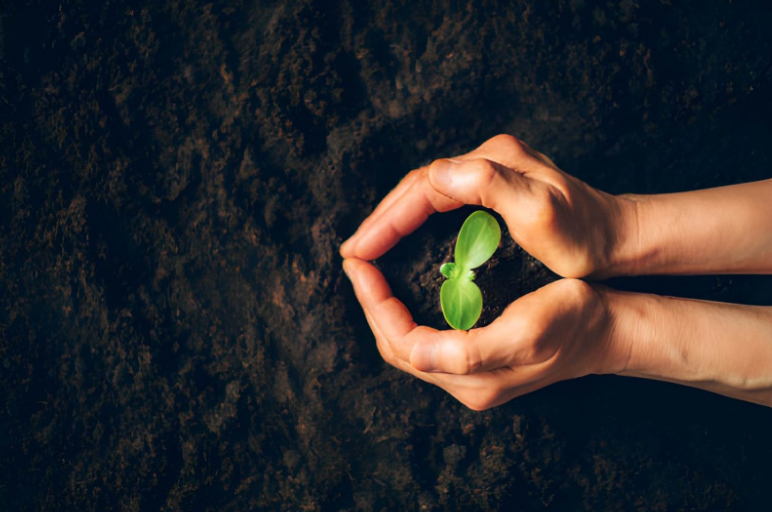
    Creating a sustainable home garden is one of the most rewarding ways to support the environment Trang chủ Ga6789 , reduce household waste, and enjoy fresh, healthy produce right outside your door. Whether you have a large backyard, a small patio, or a few balcony containers, sustainable gardening helps you work with nature instead of against it. By choosing eco-friendly practices, conserving resources, and encouraging biodiversity, you can create a beautiful garden that benefits both your home and the planet.

    What Is a Sustainable Home Garden?

    A sustainable home garden is designed to be environmentally friendly, low-waste, and resource-efficient. Instead of relying heavily on chemical fertilizers, pesticides, and excessive water use, sustainable gardening focuses on natural methods. This includes composting, planting native species, collecting rainwater, improving soil health, and supporting pollinators.

    The goal is to create a balanced outdoor space that can thrive over time with minimal harm to the environment. A sustainable garden is not only good for nature but also practical for homeowners. It can lower grocery bills, reduce water usage, and provide a peaceful space for relaxation.

    Start with Healthy Soil

    Healthy soil is the foundation of any successful sustainable home garden. Good soil provides plants with essential nutrients, supports beneficial organisms, and helps retain moisture. Instead of using synthetic fertilizers, focus on building soil naturally.

    Compost is one of the best ways to improve soil health. You can make compost from kitchen scraps such as fruit peels, vegetable ends, coffee grounds, eggshells, and yard waste like leaves and grass clippings. Over time, these materials break down into nutrient-rich compost that improves soil texture and feeds your plants.

    Adding organic matter, such as compost or well-rotted manure, also encourages earthworms and beneficial microbes. These organisms help aerate the soil and make nutrients more available to plants. Testing your soil’s pH and nutrient levels can also help you understand what your garden needs before planting.

    Choose Native and Climate-Friendly Plants

    One of the easiest ways to create a sustainable garden is to choose plants that are suited to your local climate. Native plants are especially valuable because they have adapted to the region’s soil, rainfall, and temperature patterns. This means they often require less water, fertilizer, and maintenance than non-native species.

    Native plants also support local wildlife, including bees, butterflies, birds, and beneficial insects. For example, planting native flowers can provide nectar for pollinators, while native shrubs can offer shelter and food for birds.

    When selecting plants, consider drought-tolerant varieties if you live in a dry area. In wetter climates, choose plants that can handle moisture without needing extra care. The right plant in the right place is a key principle of sustainable gardening.

    Conserve Water in the Garden

    Water conservation is essential for a sustainable home garden. Many traditional gardens use more water than necessary, but there are several simple ways to reduce waste while keeping plants healthy.

    Mulching is one effective method. A layer of organic mulch, such as straw, wood chips, shredded leaves, or bark, helps retain soil moisture, regulate temperature, and reduce weed growth. Mulch also breaks down over time, adding nutrients to the soil.

    Watering early in the morning or late in the evening can reduce evaporation. Drip irrigation systems and soaker hoses are more efficient than sprinklers because they deliver water directly to the roots. You can also collect rainwater in barrels to use during dry periods.

    Grouping plants with similar water needs together, a technique known as hydrozoning, can make watering more efficient and prevent overwatering.

    Grow Your Own Food

    Growing fruits, vegetables, and herbs is a major benefit of creating a sustainable home garden. Homegrown food reduces the environmental impact linked to transportation, packaging, and large-scale agriculture Casino Ga6789. It also gives you control over what goes into your food.

    Start with easy crops such as lettuce, tomatoes, peppers, beans, basil, parsley, or strawberries. If space is limited, container gardening is a great option. Many herbs and vegetables grow well in pots, raised beds, or vertical planters.

    To make your food garden more sustainable, practice crop rotation and companion planting. Crop rotation helps prevent soil depletion and reduces pests. Companion planting involves growing plants together that benefit each other. For example, basil may help repel pests from tomatoes, while marigolds can attract beneficial insects.

    Avoid Chemical Pesticides

    A sustainable home garden should encourage natural pest control rather than depend on harsh chemicals. Chemical pesticides can harm beneficial insects, pollinators, soil organisms, pets, and even humans. Fortunately, there are many eco-friendly alternatives.

    Start by creating a diverse garden. A variety of plants attracts beneficial insects such as ladybugs, lacewings, and parasitic wasps, which feed on common pests. Birds can also help control insects, so consider adding bird-friendly plants or a birdbath.

    If pests appear, remove them by hand when possible or use natural solutions like insecticidal soap, neem oil, or homemade sprays. Always identify the pest before treating the problem, because not all insects are harmful. Many bugs play an important role in a healthy garden ecosystem.

    Support Pollinators and Wildlife

    Pollinators are essential for a thriving garden. Bees, butterflies, moths, hummingbirds, and other pollinators help plants reproduce and increase fruit and vegetable yields. To attract them, plant a variety of flowers that bloom at different times of the year.

    Choose nectar-rich plants and avoid pesticide use, especially when flowers are in bloom. Providing water sources, such as shallow dishes with stones, can also help pollinators stay hydrated. Leaving a small wild area in your garden with logs, leaves, or native grasses can provide habitat for insects and small wildlife.

    A sustainable home garden should feel alive. The more biodiversity you encourage, the more resilient your garden becomes.

    Reduce, Reuse, and Recycle Garden Materials

    Sustainable gardening also means being mindful of the materials you use. Instead of buying new plastic pots and decorations, look for ways to reuse items you already have. Old buckets, wooden crates, jars, and containers can be turned into planters with proper drainage.

    Use fallen leaves as mulch, turn grass clippings into compost, and repurpose branches as garden borders or plant supports. Buying tools and materials that are durable and long-lasting can also reduce waste over time.

    If you need to purchase soil, compost, or mulch, look for local and organic options. Supporting local suppliers reduces transportation emissions and often provides products better suited to your region.

    Maintain Your Garden Naturally

    A sustainable home garden is easier to maintain when you follow natural rhythms. Observe your garden regularly to catch problems early. Remove weeds before they spread, prune plants when needed, and keep soil covered with mulch or cover crops.

    Seasonal planning can also make your garden more productive. Plant cool-season crops in spring and fall, and heat-loving crops in summer. In winter, protect soil with mulch or plant cover crops such as clover or rye to prevent erosion and add nutrients.

    By working consistently and gently with your garden, you can avoid major problems and reduce the need for outside inputs.

    Final Thoughts

    Creating a sustainable home garden is a practical and meaningful step toward a greener lifestyle. By improving soil health, conserving water, choosing native plants, growing your own food, and supporting pollinators, you can build a garden that is both beautiful and environmentally responsible.

    Sustainable gardening does not require perfection. Start small, learn as you go, and make changes over time. Every compost pile, native flower, rain barrel, and homegrown vegetable contributes to a healthier planet. With thoughtful planning and care, your sustainable home garden can become a thriving space that nourishes your family, supports wildlife, and protects natural resources for years to come.

  • Hello world!

    Welcome to WordPress. This is your first post. Edit or delete it, then start writing!