Creating a Sustainable Home Garden
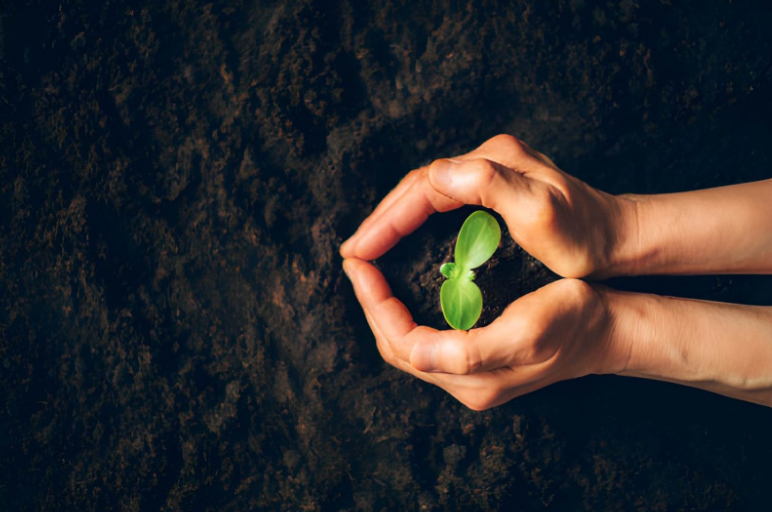
Creating a sustainable home garden is one of the most rewarding ways to support the environment Trang chủ Ga6789 , reduce household waste, and enjoy fresh, healthy produce right outside your door. Whether you have a large backyard, a small patio, or a few balcony containers, sustainable gardening helps you work with nature instead of against it. By choosing eco-friendly practices, conserving resources, and encouraging biodiversity, you can create a beautiful garden that benefits both your home and the planet.
What Is a Sustainable Home Garden?
A sustainable home garden is designed to be environmentally friendly, low-waste, and resource-efficient. Instead of relying heavily on chemical fertilizers, pesticides, and excessive water use, sustainable gardening focuses on natural methods. This includes composting, planting native species, collecting rainwater, improving soil health, and supporting pollinators.
The goal is to create a balanced outdoor space that can thrive over time with minimal harm to the environment. A sustainable garden is not only good for nature but also practical for homeowners. It can lower grocery bills, reduce water usage, and provide a peaceful space for relaxation.
Start with Healthy Soil
Healthy soil is the foundation of any successful sustainable home garden. Good soil provides plants with essential nutrients, supports beneficial organisms, and helps retain moisture. Instead of using synthetic fertilizers, focus on building soil naturally.
Compost is one of the best ways to improve soil health. You can make compost from kitchen scraps such as fruit peels, vegetable ends, coffee grounds, eggshells, and yard waste like leaves and grass clippings. Over time, these materials break down into nutrient-rich compost that improves soil texture and feeds your plants.
Adding organic matter, such as compost or well-rotted manure, also encourages earthworms and beneficial microbes. These organisms help aerate the soil and make nutrients more available to plants. Testing your soil’s pH and nutrient levels can also help you understand what your garden needs before planting.
Choose Native and Climate-Friendly Plants
One of the easiest ways to create a sustainable garden is to choose plants that are suited to your local climate. Native plants are especially valuable because they have adapted to the region’s soil, rainfall, and temperature patterns. This means they often require less water, fertilizer, and maintenance than non-native species.
Native plants also support local wildlife, including bees, butterflies, birds, and beneficial insects. For example, planting native flowers can provide nectar for pollinators, while native shrubs can offer shelter and food for birds.
When selecting plants, consider drought-tolerant varieties if you live in a dry area. In wetter climates, choose plants that can handle moisture without needing extra care. The right plant in the right place is a key principle of sustainable gardening.
Conserve Water in the Garden
Water conservation is essential for a sustainable home garden. Many traditional gardens use more water than necessary, but there are several simple ways to reduce waste while keeping plants healthy.
Mulching is one effective method. A layer of organic mulch, such as straw, wood chips, shredded leaves, or bark, helps retain soil moisture, regulate temperature, and reduce weed growth. Mulch also breaks down over time, adding nutrients to the soil.
Watering early in the morning or late in the evening can reduce evaporation. Drip irrigation systems and soaker hoses are more efficient than sprinklers because they deliver water directly to the roots. You can also collect rainwater in barrels to use during dry periods.
Grouping plants with similar water needs together, a technique known as hydrozoning, can make watering more efficient and prevent overwatering.
Grow Your Own Food
Growing fruits, vegetables, and herbs is a major benefit of creating a sustainable home garden. Homegrown food reduces the environmental impact linked to transportation, packaging, and large-scale agriculture Casino Ga6789. It also gives you control over what goes into your food.
Start with easy crops such as lettuce, tomatoes, peppers, beans, basil, parsley, or strawberries. If space is limited, container gardening is a great option. Many herbs and vegetables grow well in pots, raised beds, or vertical planters.
To make your food garden more sustainable, practice crop rotation and companion planting. Crop rotation helps prevent soil depletion and reduces pests. Companion planting involves growing plants together that benefit each other. For example, basil may help repel pests from tomatoes, while marigolds can attract beneficial insects.
Avoid Chemical Pesticides
A sustainable home garden should encourage natural pest control rather than depend on harsh chemicals. Chemical pesticides can harm beneficial insects, pollinators, soil organisms, pets, and even humans. Fortunately, there are many eco-friendly alternatives.
Start by creating a diverse garden. A variety of plants attracts beneficial insects such as ladybugs, lacewings, and parasitic wasps, which feed on common pests. Birds can also help control insects, so consider adding bird-friendly plants or a birdbath.
If pests appear, remove them by hand when possible or use natural solutions like insecticidal soap, neem oil, or homemade sprays. Always identify the pest before treating the problem, because not all insects are harmful. Many bugs play an important role in a healthy garden ecosystem.
Support Pollinators and Wildlife
Pollinators are essential for a thriving garden. Bees, butterflies, moths, hummingbirds, and other pollinators help plants reproduce and increase fruit and vegetable yields. To attract them, plant a variety of flowers that bloom at different times of the year.
Choose nectar-rich plants and avoid pesticide use, especially when flowers are in bloom. Providing water sources, such as shallow dishes with stones, can also help pollinators stay hydrated. Leaving a small wild area in your garden with logs, leaves, or native grasses can provide habitat for insects and small wildlife.
A sustainable home garden should feel alive. The more biodiversity you encourage, the more resilient your garden becomes.
Reduce, Reuse, and Recycle Garden Materials
Sustainable gardening also means being mindful of the materials you use. Instead of buying new plastic pots and decorations, look for ways to reuse items you already have. Old buckets, wooden crates, jars, and containers can be turned into planters with proper drainage.
Use fallen leaves as mulch, turn grass clippings into compost, and repurpose branches as garden borders or plant supports. Buying tools and materials that are durable and long-lasting can also reduce waste over time.
If you need to purchase soil, compost, or mulch, look for local and organic options. Supporting local suppliers reduces transportation emissions and often provides products better suited to your region.
Maintain Your Garden Naturally
A sustainable home garden is easier to maintain when you follow natural rhythms. Observe your garden regularly to catch problems early. Remove weeds before they spread, prune plants when needed, and keep soil covered with mulch or cover crops.
Seasonal planning can also make your garden more productive. Plant cool-season crops in spring and fall, and heat-loving crops in summer. In winter, protect soil with mulch or plant cover crops such as clover or rye to prevent erosion and add nutrients.
By working consistently and gently with your garden, you can avoid major problems and reduce the need for outside inputs.
Final Thoughts
Creating a sustainable home garden is a practical and meaningful step toward a greener lifestyle. By improving soil health, conserving water, choosing native plants, growing your own food, and supporting pollinators, you can build a garden that is both beautiful and environmentally responsible.
Sustainable gardening does not require perfection. Start small, learn as you go, and make changes over time. Every compost pile, native flower, rain barrel, and homegrown vegetable contributes to a healthier planet. With thoughtful planning and care, your sustainable home garden can become a thriving space that nourishes your family, supports wildlife, and protects natural resources for years to come.