The Importance of Environmental Education
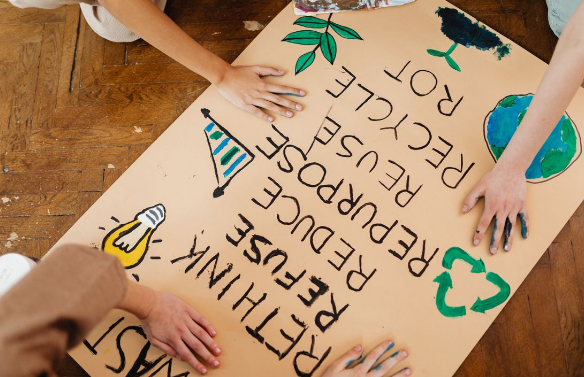
Environmental education is more important today than ever before. As Trang chủ X88 the world faces climate change, pollution, biodiversity loss, deforestation, and increasing pressure on natural resources, people need the knowledge and skills to make responsible decisions. Environmental education helps individuals understand how the natural world works, how human actions affect the environment, and what can be done to protect the planet for future generations.
From schools and universities to workplaces and communities, environmental education plays a vital role in creating a more sustainable society. It empowers people to become informed citizens, responsible consumers, and active participants in environmental protection.
What Is Environmental Education?
Environmental education is the process of learning about the environment, ecosystems, natural resources, and the relationship between humans and nature. It teaches people to recognize environmental problems, understand their causes, and find practical solutions.
This type of education is not limited to science classrooms. It can be included in geography, social studies, economics, agriculture, health, and even business education. Environmental education can also take place outside the classroom through nature walks, recycling programs, community cleanups, conservation projects, and environmental awareness campaigns.
The main goal of environmental education is to develop environmental awareness, critical thinking, and responsible behavior. It encourages people to care for the environment and take meaningful action.
Why Environmental Education Matters
Environmental education matters because many of today’s global challenges are connected to the environment. Climate change, air and water pollution, plastic waste, soil degradation, and wildlife extinction affect human health, food security, economies, and quality of life.
When people understand these issues, they are more likely to make better choices. For example, someone who understands the impact of plastic pollution may reduce single-use plastics. A student who learns about energy conservation may encourage their family to save electricity. A community that understands water scarcity may take steps to protect local water sources.
Environmental Education and Climate Change
One of the most important reasons for promoting environmental education is the growing threat of climate change. Rising global temperatures, extreme weather events, melting ice caps, sea-level rise, and changing rainfall patterns are already affecting millions of people around the world.
Environmental education helps people understand the science behind climate change and the role human activities play in increasing greenhouse gas emissions. It also teaches practical ways to reduce carbon footprints, such as using renewable energy, saving electricity, choosing public transport, planting trees, and reducing waste.
By learning about climate change, individuals and communities can become better prepared and more resilient. They can also support policies and practices that help reduce environmental harm.
Building Sustainable Habits
Environmental education Đá gà X88 encourages sustainable habits in everyday life. Sustainability means meeting present needs without harming the ability of future generations to meet their own needs. This idea is essential for protecting natural resources such as water, forests, soil, and clean air.
Simple sustainable habits can make a big difference when practiced by many people. These habits include recycling, composting, reducing food waste, conserving water, using energy-efficient appliances, avoiding unnecessary consumption, and supporting eco-friendly products.
When children learn these habits early, they are more likely to carry them into adulthood. Schools that teach environmental responsibility help build a generation that values sustainability and respects nature.
Protecting Biodiversity and Ecosystems
Biodiversity refers to the variety of life on Earth, including plants, animals, insects, microorganisms, and ecosystems. Healthy ecosystems provide essential services such as clean air, fresh water, pollination, fertile soil, and climate regulation.
However, human activities such as deforestation, pollution, overfishing, and habitat destruction are threatening biodiversity. Environmental education helps people understand why biodiversity is important and how human survival depends on healthy ecosystems.
By learning about local plants, animals, and habitats, people become more connected to nature. This connection can inspire conservation efforts, wildlife protection, tree planting, and responsible land use.
Improving Public Health
Environmental education also supports public health. Many health problems are linked to environmental conditions. Air pollution can cause respiratory diseases, contaminated water can spread illness, and exposure to harmful chemicals can affect long-term health.
When communities understand the connection between environment and health, they can take steps to reduce risks. For example, people may support clean water initiatives, reduce burning of waste, improve sanitation, and advocate for cleaner air.
A healthier environment leads to healthier people. This is why environmental education is important not only for nature but also for human well-being.
Encouraging Responsible Citizenship
Environmental education helps create responsible citizens who understand their role in society. It teaches people that environmental protection is not only the responsibility of governments or organizations. Every individual has a part to play.
Responsible citizens can participate in local environmental projects, vote for sustainable policies, support conservation programs, and hold businesses and leaders accountable. They can also educate others and inspire positive change in their communities.
In this way, environmental education strengthens democracy and civic responsibility. It gives people the confidence to speak up and act for the common good.
The Role of Schools in Environmental Education
Schools are one of the best places to promote environmental education. Students are naturally curious, and they can develop strong values when they are exposed to environmental learning at a young age.
Schools can include environmental topics in lessons, organize eco-clubs, create school gardens, reduce waste, promote recycling, and encourage outdoor learning. These activities help students connect classroom knowledge with real-world experiences.
Teachers play an important role by making environmental education practical, engaging, and relevant. When students see how environmental issues affect their own lives and communities, they are more likely to care and take action.
Environmental Education in Communities
Environmental education should not stop at school. Communities also need access to environmental knowledge and resources. Local workshops, awareness campaigns, public lectures, farmer training programs, and social media campaigns can help spread important information.
Community-based environmental education is especially effective because it focuses on local problems and solutions. For example, a coastal community may learn about marine pollution, while a farming community may focus on soil conservation and water management.
When communities work together, they can create lasting environmental improvements.
Conclusion
The importance of environmental education cannot be overstated. It helps people understand environmental challenges, develop sustainable habits, protect biodiversity, improve public health, and become responsible citizens. In a world facing serious environmental problems, education is one of the most powerful tools for change.
By teaching people how their actions affect the planet, environmental education encourages smarter choices and meaningful action. Whether in schools, homes, workplaces, or communities, environmental education is essential for building a cleaner, healthier, and more sustainable future.